now on the line · cohort xii open

Books, they said,were conversations.Now they really are.

Every letter, every notebook, every transcript they ever left behind — reassembled into a voice you can hold a conversation with, on the phone, tonight.

reaching for:Marcus Aurelius
Hold a conversation

4,800 on the waitlist · next cohort 12 days

“If I have seen further, it is by standing on the shoulders of giants.” — I. Newton, 1675

meet the sages
Marcus Aureliusb. 121 — d. 180the emperor who wrote in privateSenecab. c. 4 BCE — d. 65 CEthe senator who chose his deathEpictetusb. c. 50 — d. c. 135the slave who taught freedomCicerob. 106 BCE — d. 43 BCEthe lawyer who argued the republicBenjamin Franklinb. 1706 — d. 1790the printer who electrified the coloniesRalph Waldo Emersonb. 1803 — d. 1882the lecturer who launched American thoughtHenry David Thoreaub. 1817 — d. 1862the woodsman who measured his own lifeLao Tzub. c. 6th c. BCE — d. c. 5th c. BCEthe archivist who left for the mountainsConfuciusb. 551 BCE — d. 479 BCEthe teacher of a thousand generationsIsaac Newtonb. 1643 — d. 1727the philosopher of motionMichel de Montaigneb. 1533 — d. 1592the magistrate who interrogated himselfPlutarchb. c. 46 — d. c. 119the priest who paired the worldsBoethiusb. c. 477 — d. c. 524the consul who consoled himself in prisonSun Tzub. c. 544 BCE — d. c. 496 BCEthe general who fought without fightingMachado de Assisb. 1839 — d. 1908the founder of Brazilian lettersMarcus Aureliusb. 121 — d. 180the emperor who wrote in privateSenecab. c. 4 BCE — d. 65 CEthe senator who chose his deathEpictetusb. c. 50 — d. c. 135the slave who taught freedomCicerob. 106 BCE — d. 43 BCEthe lawyer who argued the republicBenjamin Franklinb. 1706 — d. 1790the printer who electrified the coloniesRalph Waldo Emersonb. 1803 — d. 1882the lecturer who launched American thoughtHenry David Thoreaub. 1817 — d. 1862the woodsman who measured his own lifeLao Tzub. c. 6th c. BCE — d. c. 5th c. BCEthe archivist who left for the mountainsConfuciusb. 551 BCE — d. 479 BCEthe teacher of a thousand generationsIsaac Newtonb. 1643 — d. 1727the philosopher of motionMichel de Montaigneb. 1533 — d. 1592the magistrate who interrogated himselfPlutarchb. c. 46 — d. c. 119the priest who paired the worldsBoethiusb. c. 477 — d. c. 524the consul who consoled himself in prisonSun Tzub. c. 544 BCE — d. c. 496 BCEthe general who fought without fightingMachado de Assisb. 1839 — d. 1908the founder of Brazilian lettersMarcus Aureliusb. 121 — d. 180the emperor who wrote in privateSenecab. c. 4 BCE — d. 65 CEthe senator who chose his deathEpictetusb. c. 50 — d. c. 135the slave who taught freedomCicerob. 106 BCE — d. 43 BCEthe lawyer who argued the republicBenjamin Franklinb. 1706 — d. 1790the printer who electrified the coloniesRalph Waldo Emersonb. 1803 — d. 1882the lecturer who launched American thoughtHenry David Thoreaub. 1817 — d. 1862the woodsman who measured his own lifeLao Tzub. c. 6th c. BCE — d. c. 5th c. BCEthe archivist who left for the mountainsConfuciusb. 551 BCE — d. 479 BCEthe teacher of a thousand generationsIsaac Newtonb. 1643 — d. 1727the philosopher of motionMichel de Montaigneb. 1533 — d. 1592the magistrate who interrogated himselfPlutarchb. c. 46 — d. c. 119the priest who paired the worldsBoethiusb. c. 477 — d. c. 524the consul who consoled himself in prisonSun Tzub. c. 544 BCE — d. c. 496 BCEthe general who fought without fightingMachado de Assisb. 1839 — d. 1908the founder of Brazilian letters
i.the directory

The great minds,
all of them on the line.

We only resurrect figures whose corpus is in the public domain and whose likeness can be shown openly. Every portrait below is sourced from a public archive — each one carries its credit beneath the tile. More voices unseal with cohort xiii.

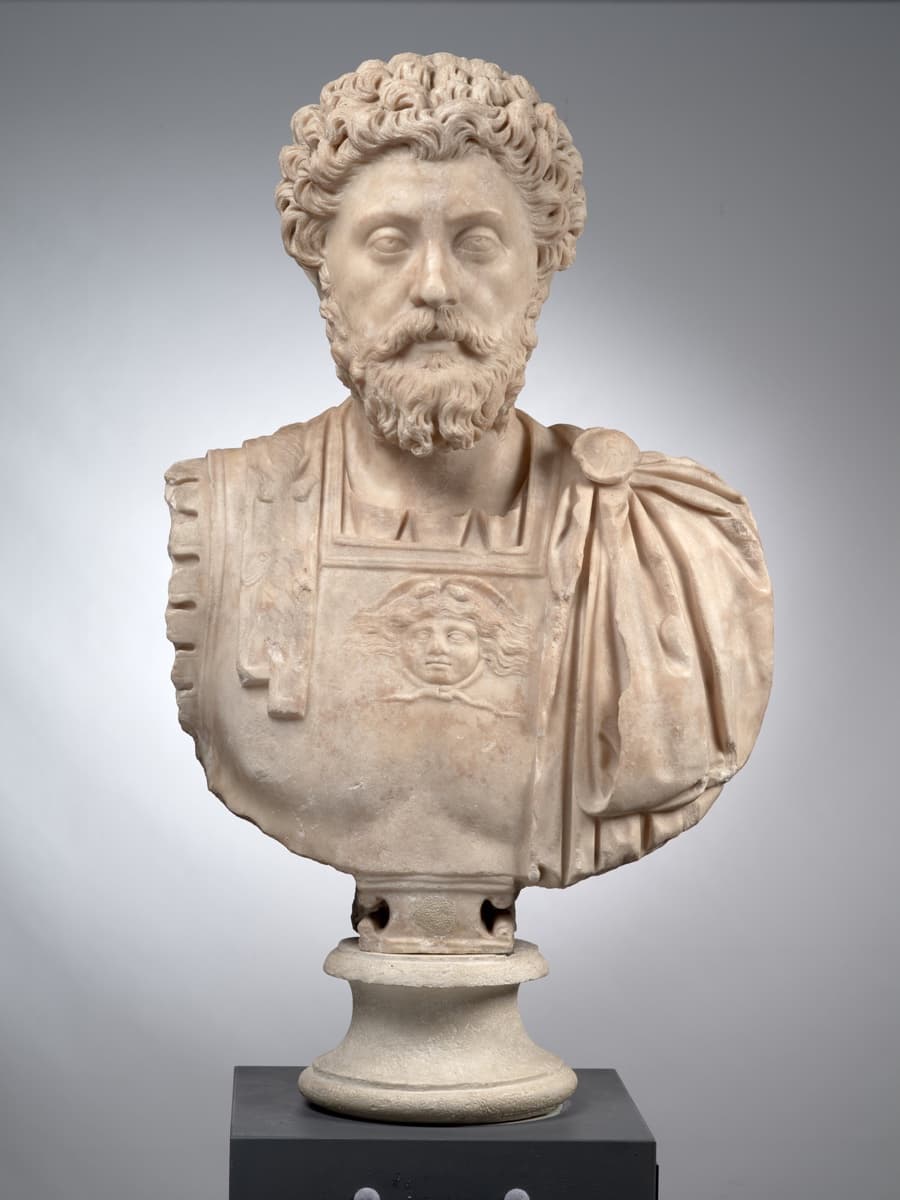
Portrait of Marcus Aurelius
voice readyb. 121 — d. 180

Marcus Aurelius

the emperor who wrote in private.

trained on: Meditations (12 books), surviving correspondence with Fronto

You have power over your mind — not outside events. Realise this, and you will find strength.
place a call

portrait: Roman marble bust, 2nd c. AD (Wikimedia Commons)
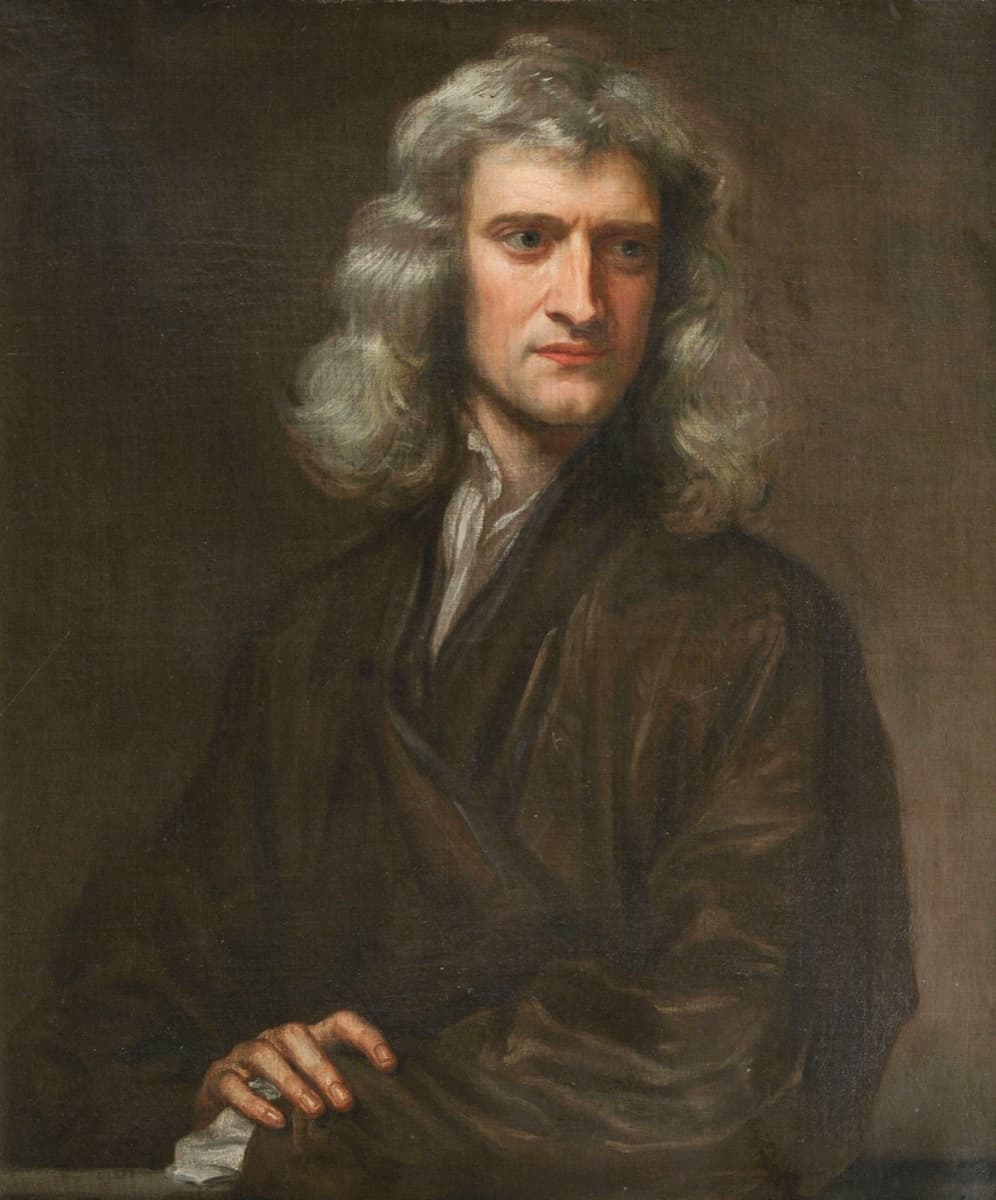
Portrait of Isaac Newton
voice readyb. 1643 — d. 1727

Isaac Newton

the philosopher of motion.

trained on: Principia, Opticks, alchemical notebooks, 7,400 surviving letters

place a call

portrait: Portrait of Sir Isaac Newton, 1689 (Wikimedia Commons)
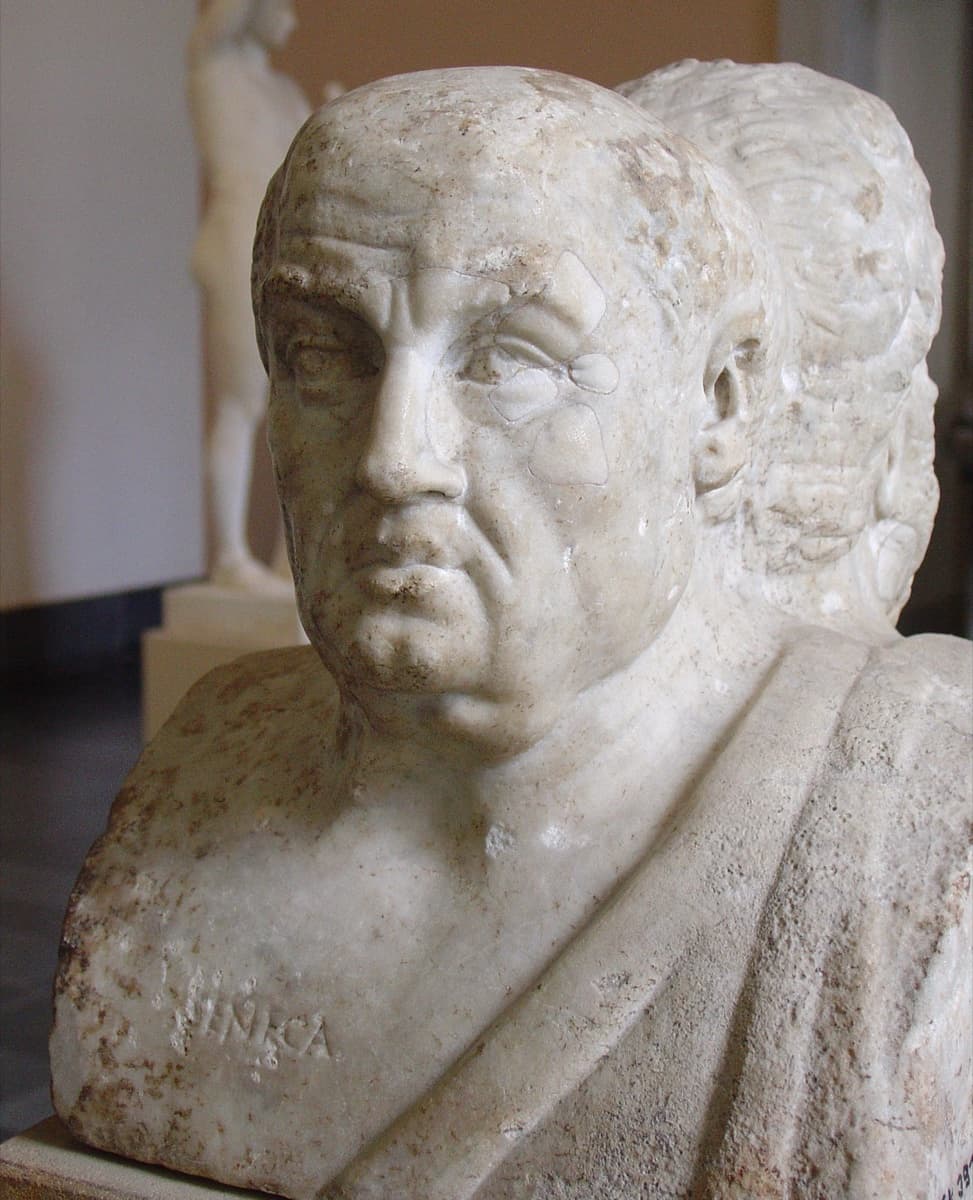
Portrait of Seneca
voice readyb. c. 4 BCE — d. 65 CE

Seneca

the senator who chose his death.

trained on: 124 Letters to Lucilius, Dialogues, On the Shortness of Life, 10 tragedies

place a call

portrait: Double-herm bust, Antikensammlung Berlin (Wikimedia Commons)

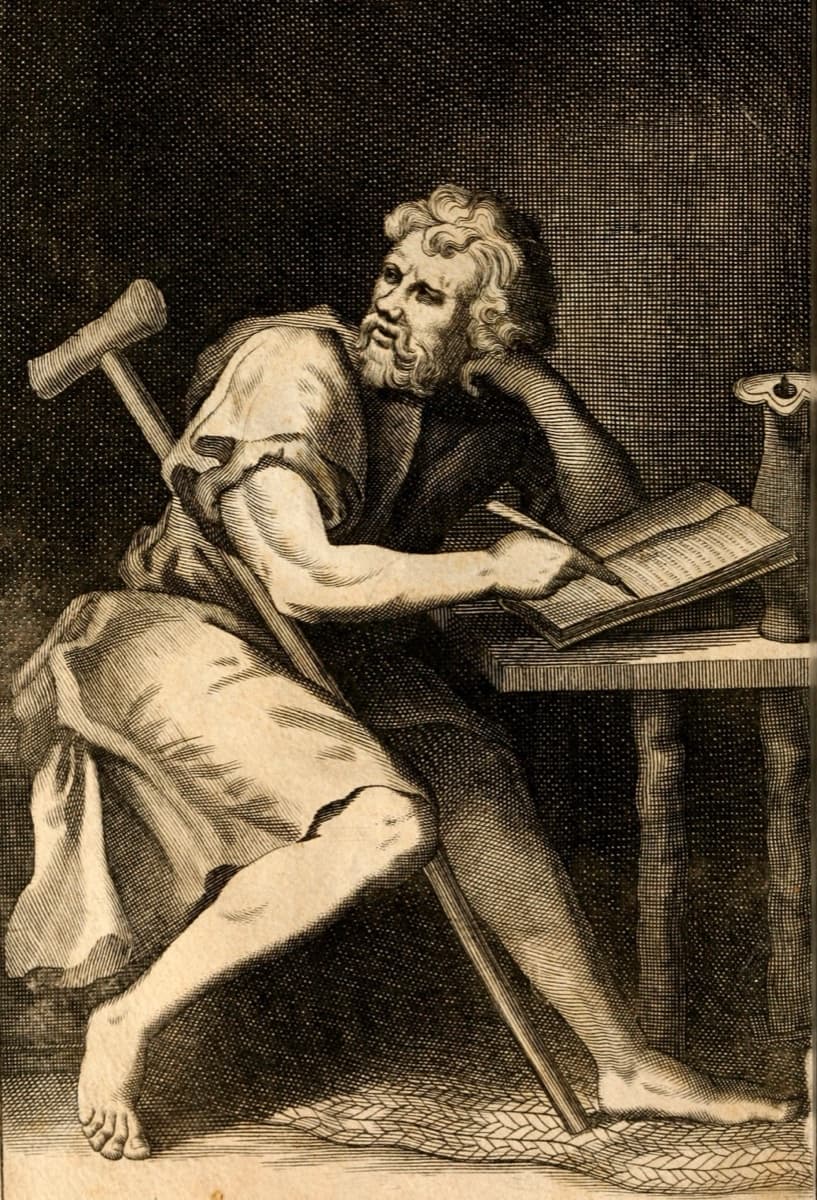
Portrait of Epictetus
voice readyb. c. 50 — d. c. 135

Epictetus

the slave who taught freedom.

place a call
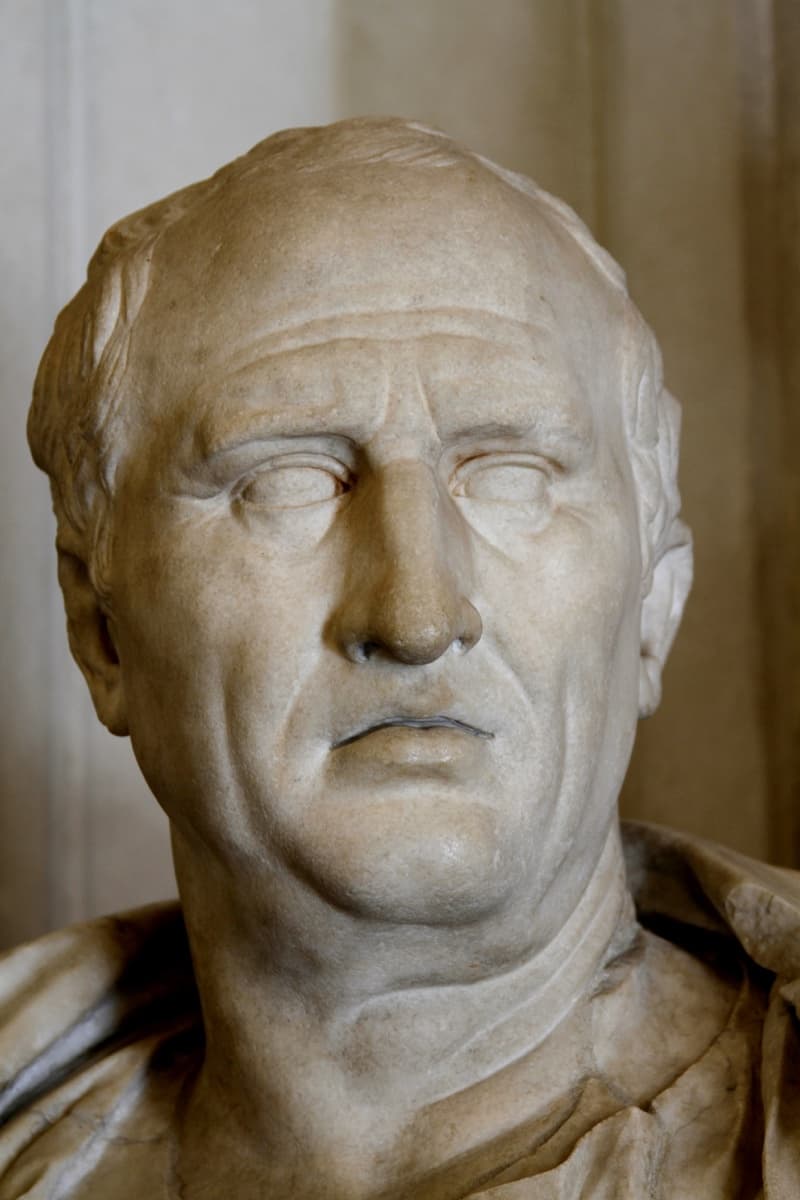
Portrait of Cicero
voice readyb. 106 BCE — d. 43 BCE

Cicero

the lawyer who argued the republic.

place a call
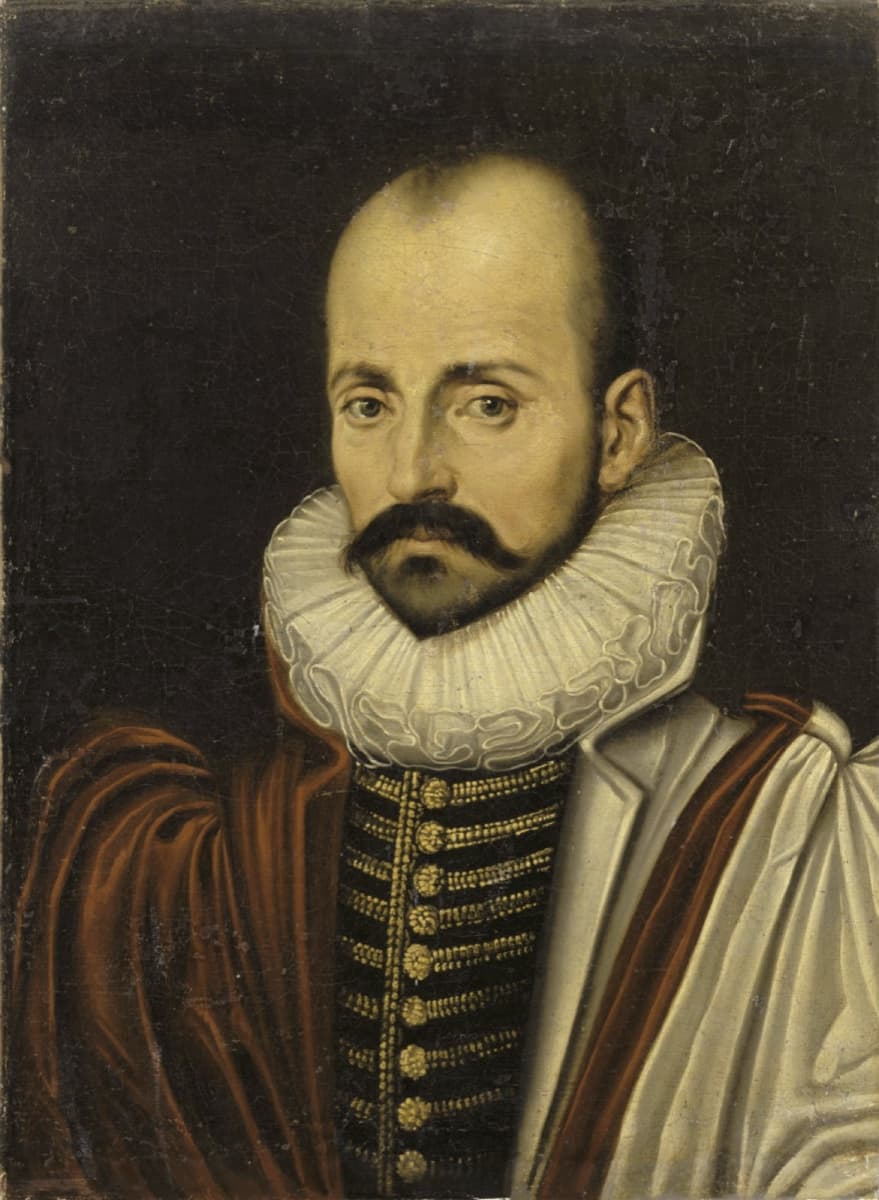
Portrait of Michel de Montaigne
voice readyb. 1533 — d. 1592

Michel de Montaigne

the magistrate who interrogated himself.

place a call
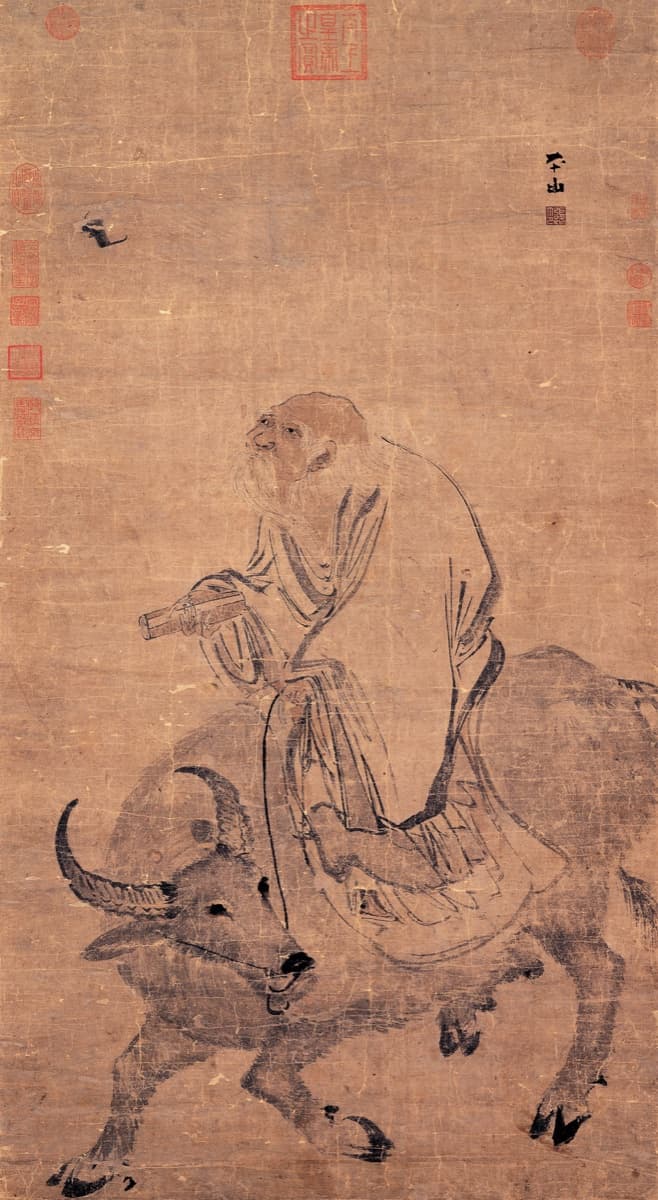
Portrait of Lao Tzu
voice readyb. c. 6th c. BCE — d. c. 5th c. BCE

Lao Tzu

the archivist who left for the mountains.

trained on: Tao Te Ching (81 chapters), as transmitted in the Mawangdui texts

place a call

portrait: “Laozi Riding an Ox” by Zhang Lu, Ming dynasty (Wikimedia Commons)
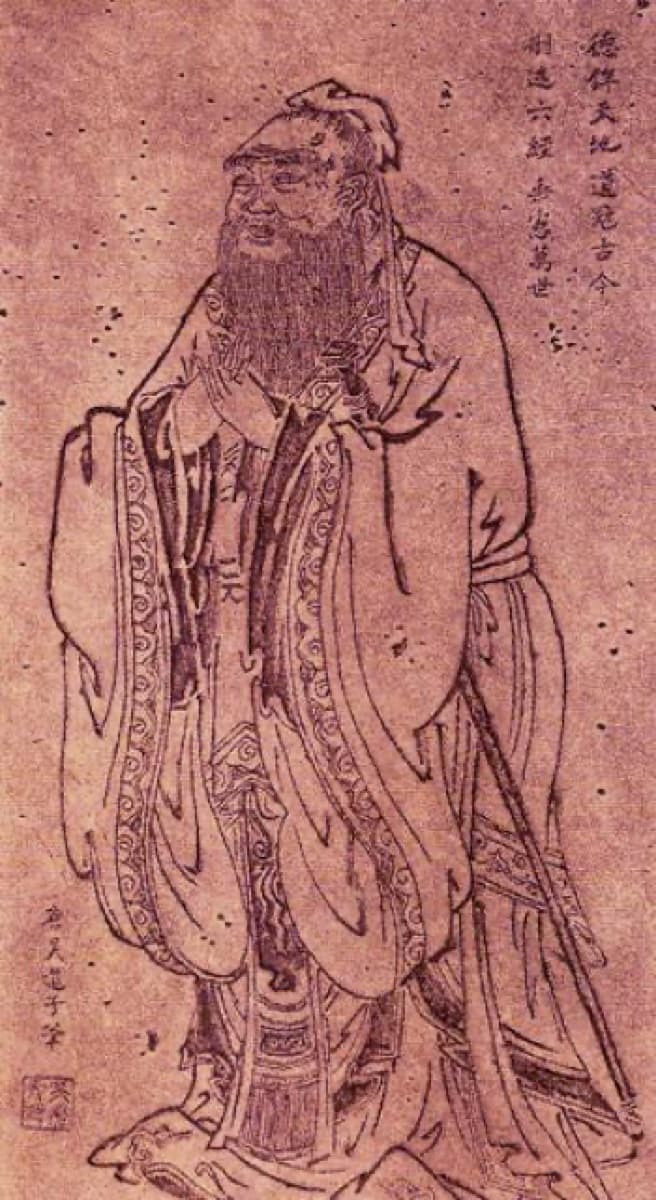
Portrait of Confucius
voice readyb. 551 BCE — d. 479 BCE

Confucius

the teacher of a thousand generations.

place a call
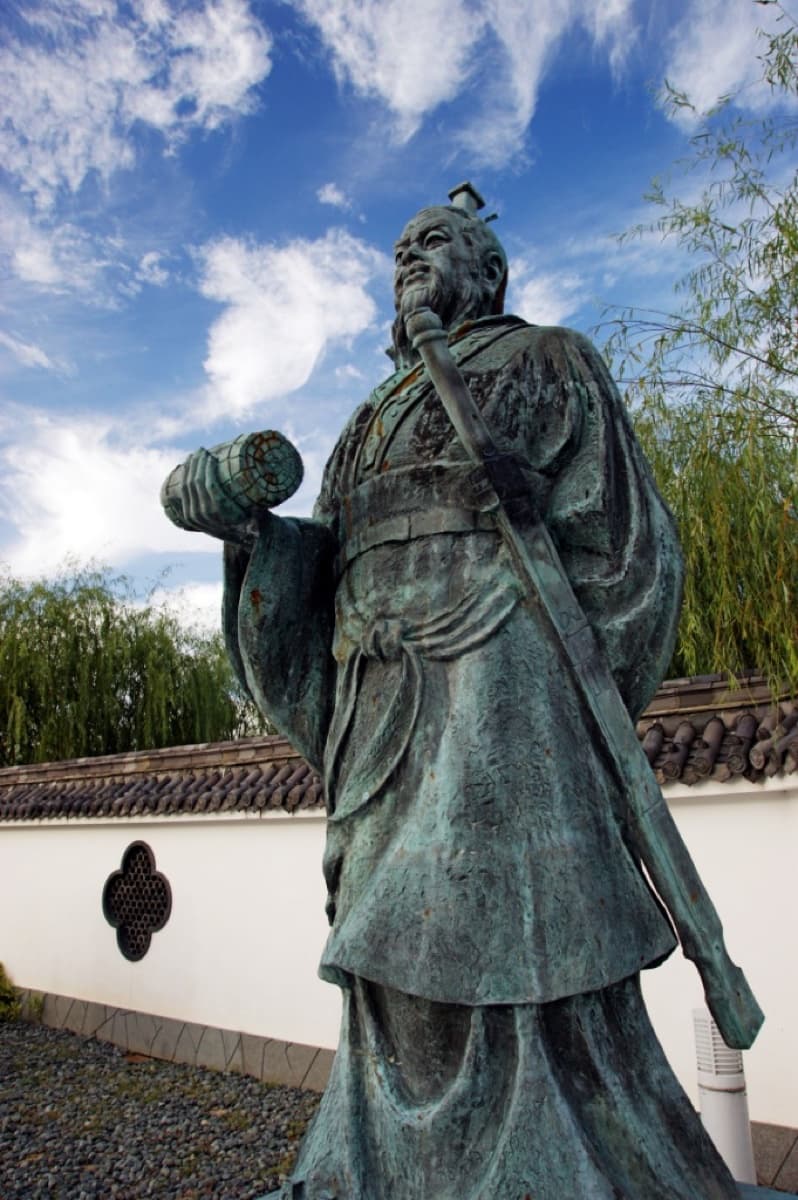
Portrait of Sun Tzu
voice readyb. c. 544 BCE — d. c. 496 BCE

Sun Tzu

the general who fought without fighting.

place a call
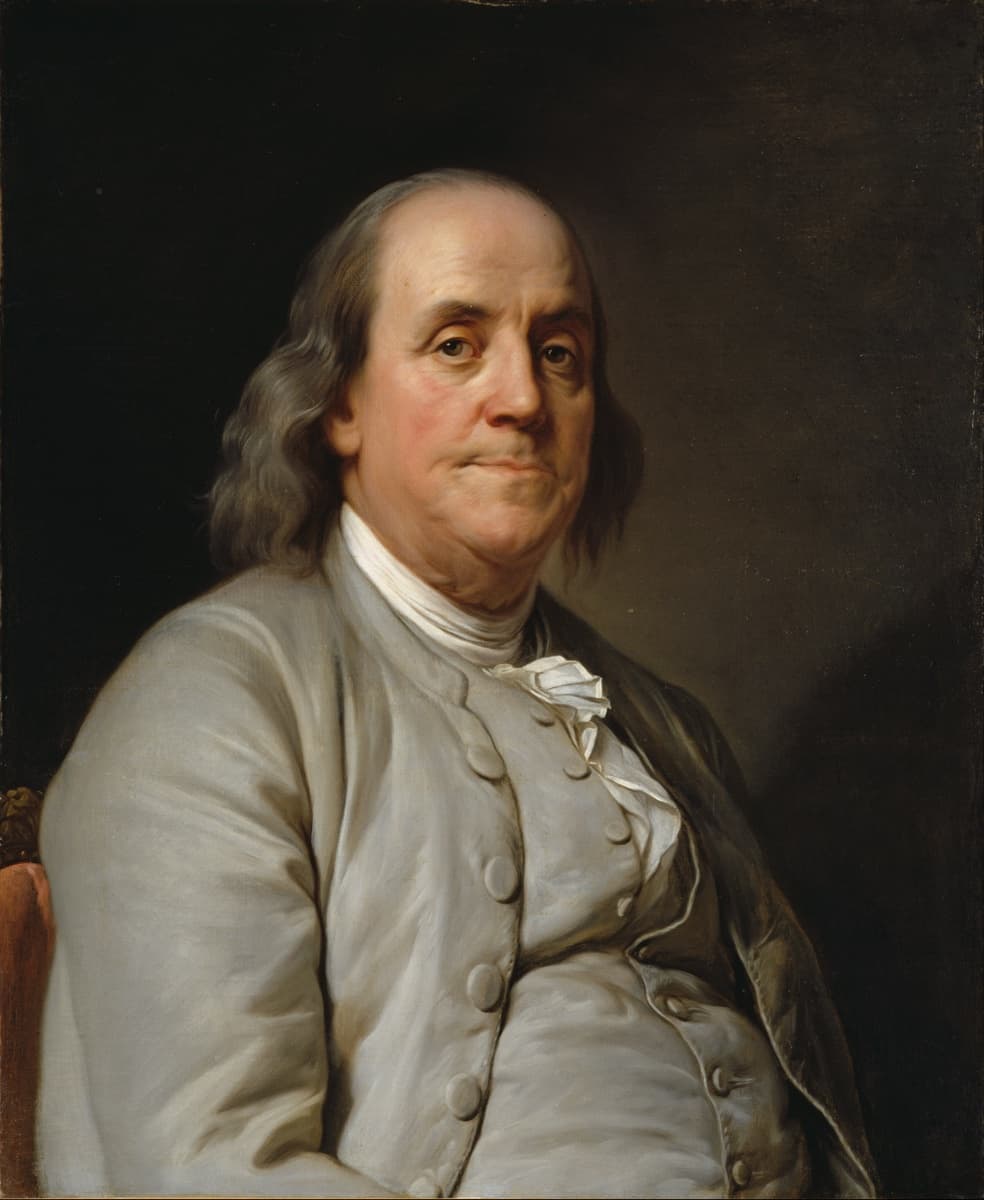
Portrait of Benjamin Franklin
voice readyb. 1706 — d. 1790

Benjamin Franklin

the printer who electrified the colonies.

place a call
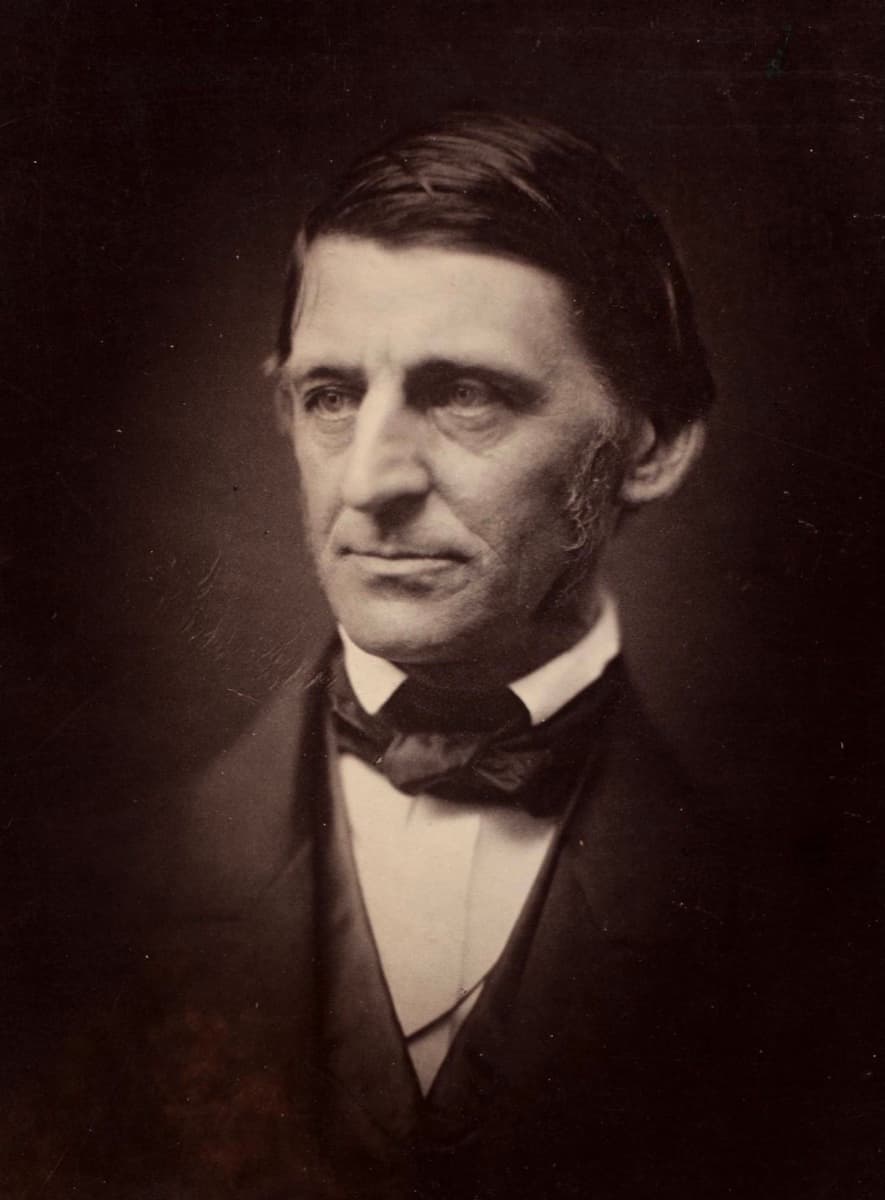
Portrait of Ralph Waldo Emerson
voice readyb. 1803 — d. 1882

Ralph Waldo Emerson

the lecturer who launched American thought.

place a call
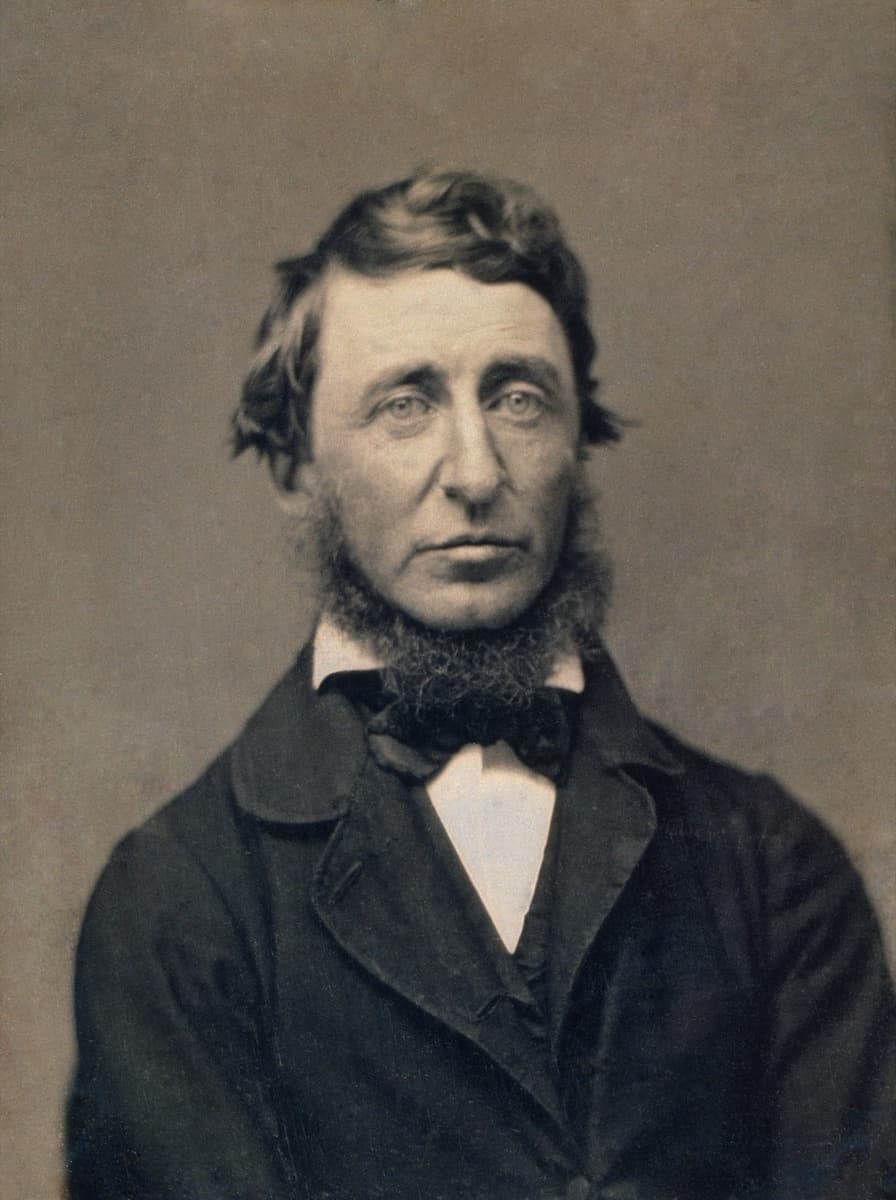
Portrait of Henry David Thoreau
voice readyb. 1817 — d. 1862

Henry David Thoreau

the woodsman who measured his own life.

place a call
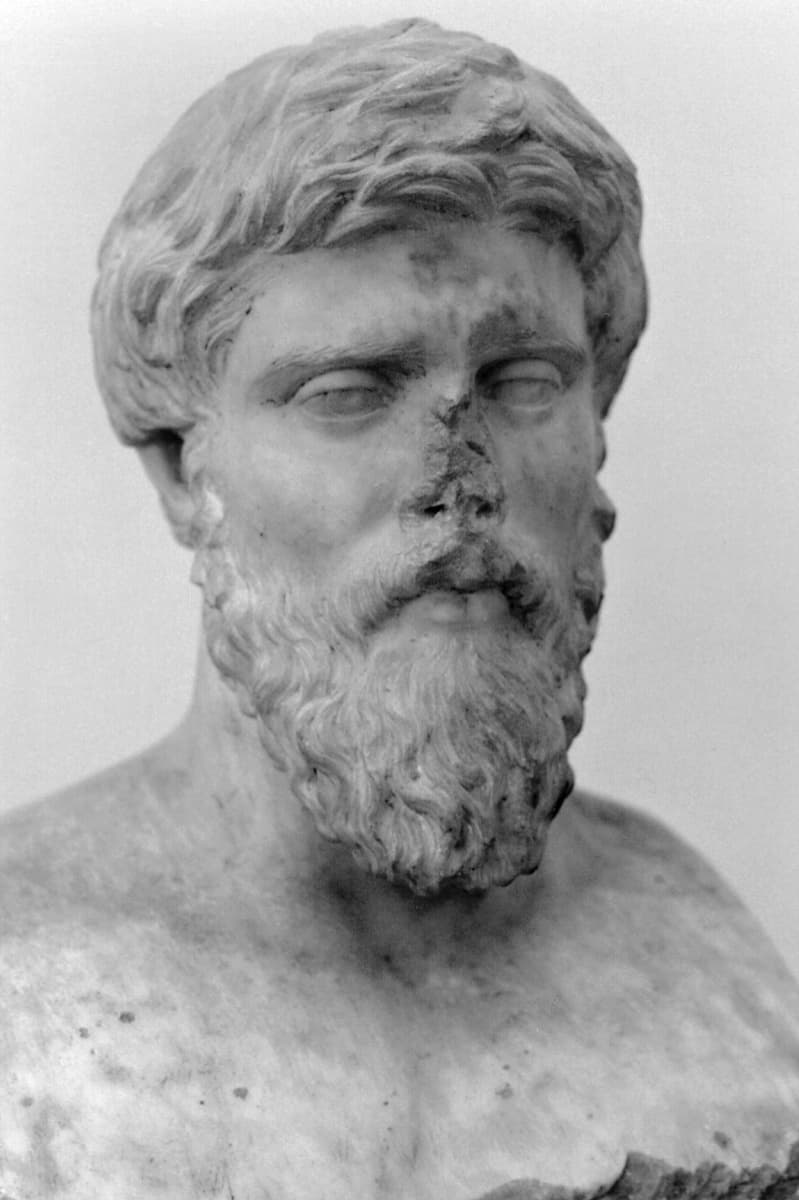
Portrait of Plutarch
voice readyb. c. 46 — d. c. 119

Plutarch

the priest who paired the worlds.

place a call
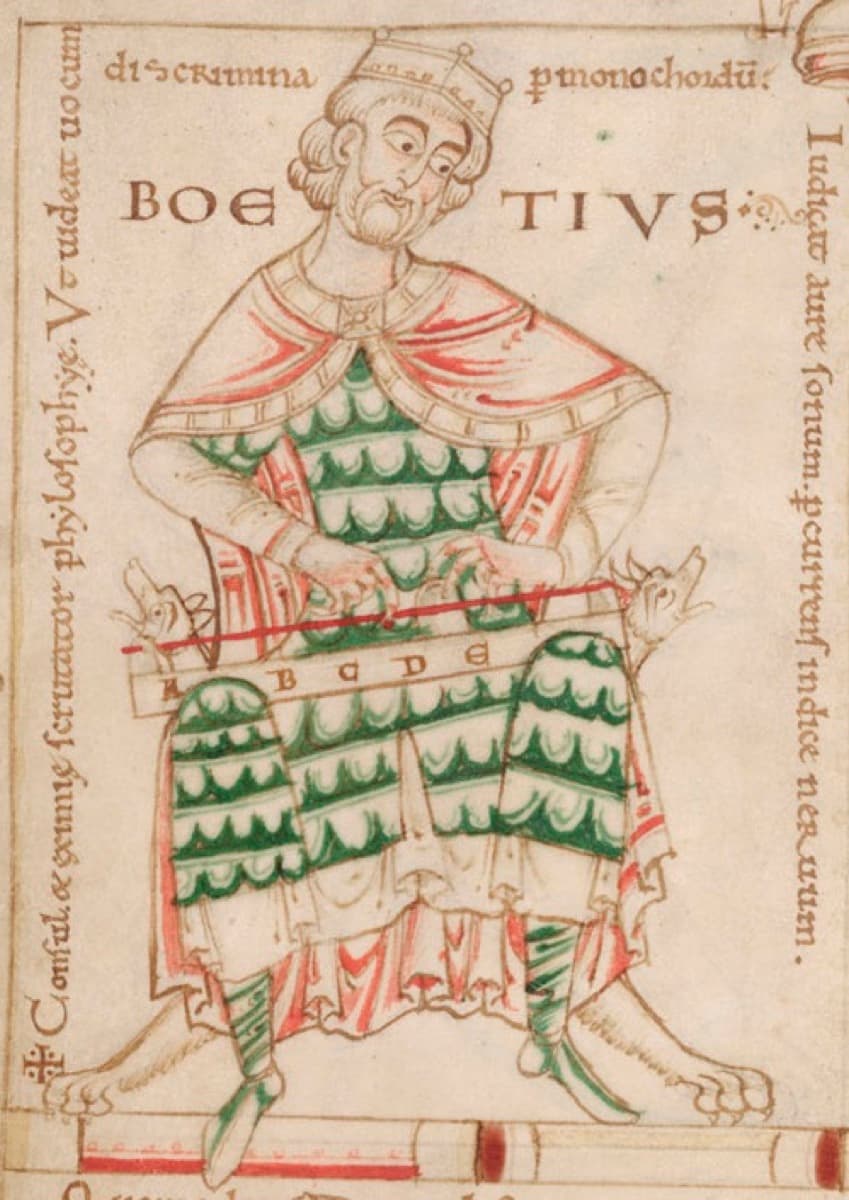
Portrait of Boethius
voice readyb. c. 477 — d. c. 524

Boethius

the consul who consoled himself in prison.

place a call
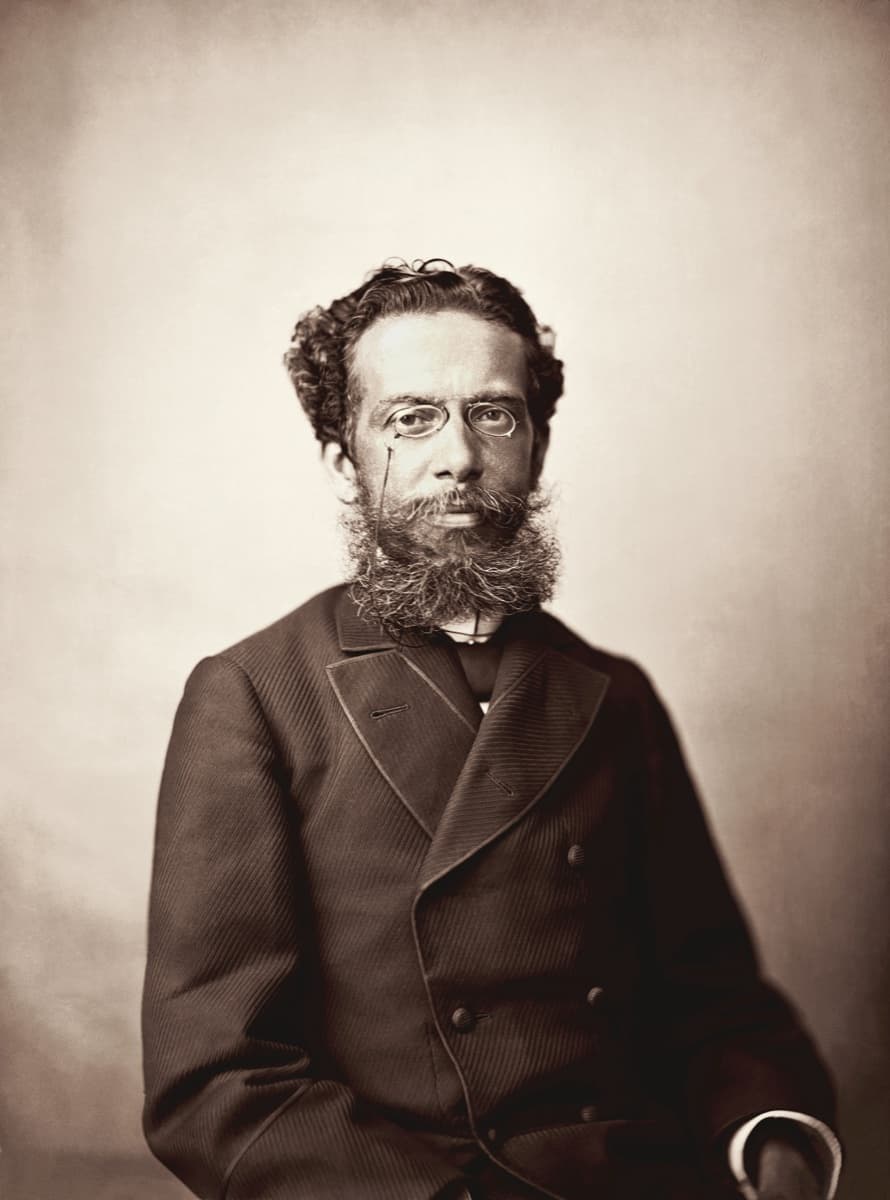
Portrait of Machado de Assis
voice readyb. 1839 — d. 1908

Machado de Assis

the founder of Brazilian letters.

trained on: Memórias Póstumas de Brás Cubas, Dom Casmurro, Quincas Borba, 200+ short stories

place a call

portrait: Photograph by Marc Ferrez, c. 1880 (Wikimedia Commons)
the directory is growing · more voices unsealing each cohortrequest the full directory →
ii.the method

We don't roleplay the dead.
We reconstruct them.

Four passes from public-domain text to a voice you can call. Our goal is for every claim a voice makes to be traceable back to the figure's own writing — a best effort we sharpen every day.

  1. 01step 1 of 4
    the corpus

    Their own words, made queryable.

    For each figure we gather their public-domain writings — books, letters, lectures, journals — and feed that corpus as the knowledge base the model draws from when you call. The figure is the corpus. The model is the line between you and it.

    Public-domain sources only

  2. 02step 2 of 4
    the voice

    A voice chosen to fit, not faked.

    For each figure we hand-pick the closest match from ElevenLabs' voice library — matching period, language, and register as best we can. Where actual recordings of a figure exist, custom-trained clones are on the roadmap. Until then, we'd rather a respectful approximation than an imitation that overpromises.

    Voices by ElevenLabs

  3. 03step 3 of 4
    the mind

    A model grounded in their writing.

    Their corpus becomes the model's grounding. It doesn't roleplay them. It answers from inside their worldview, their convictions, the limits of what they could have known on the day they died.

    Knowledge bounded per figure

  4. 04step 4 of 4
    the exchange

    You pick up the receiver. They pick up.

    From your browser, in real time. ~480ms average response latency, subject to network and provider conditions. Conversations are private and never used for training.

    Web — works on mobile browsers too

on consent

We only resurrect figures whose work is in the public domain. We refuse private individuals, no matter the offered price.

iii.the archive

The ambient channels,
always on, never named.

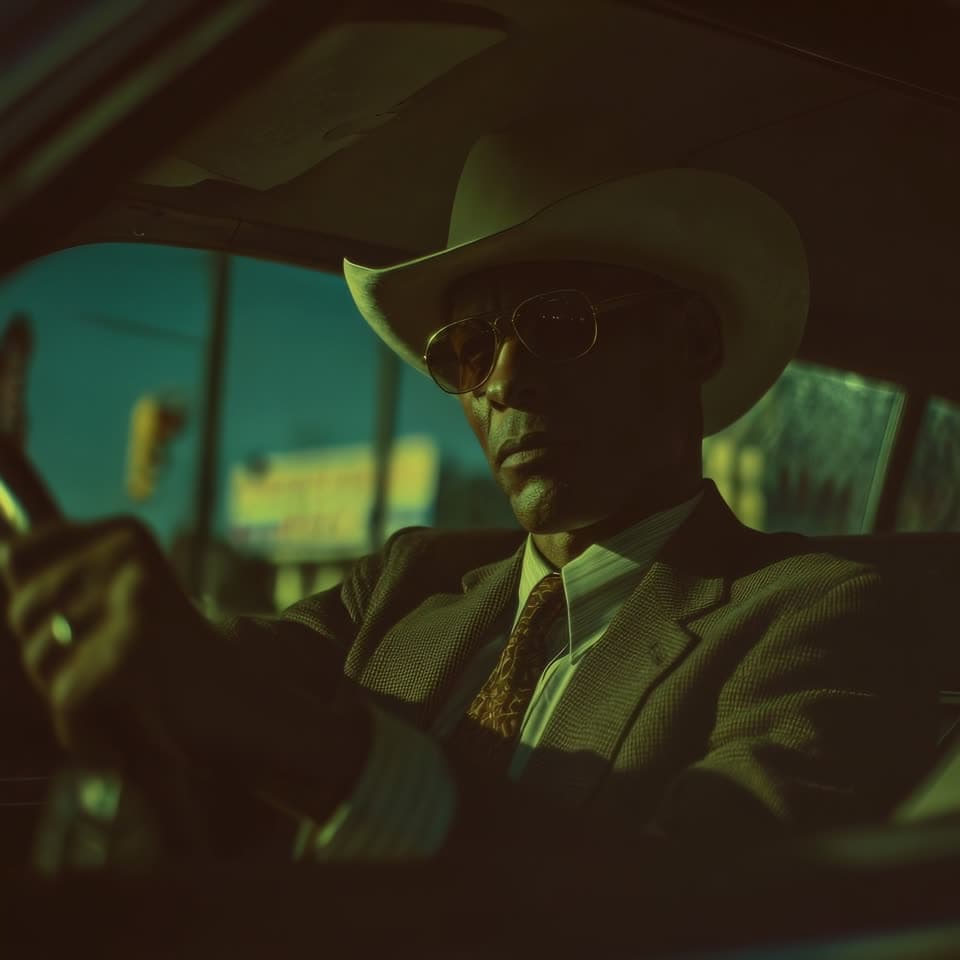
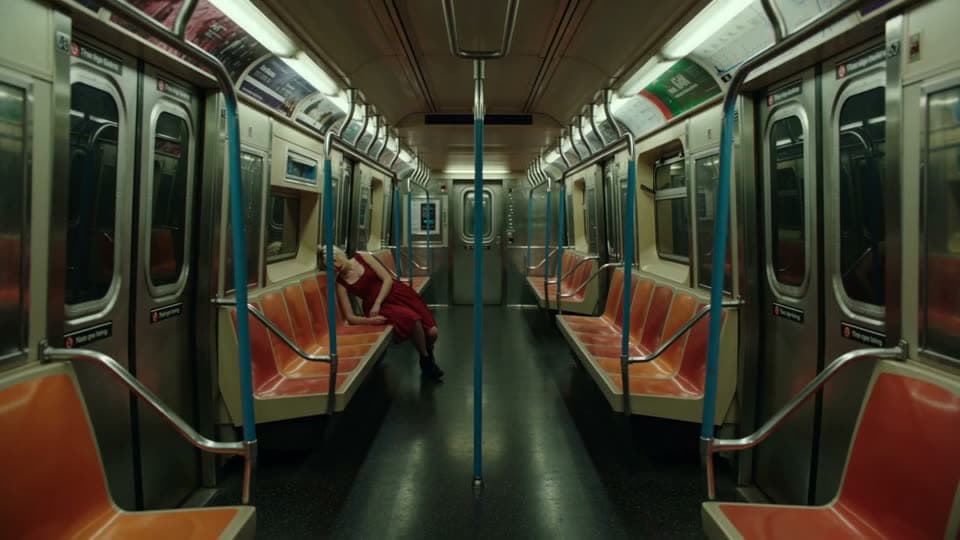
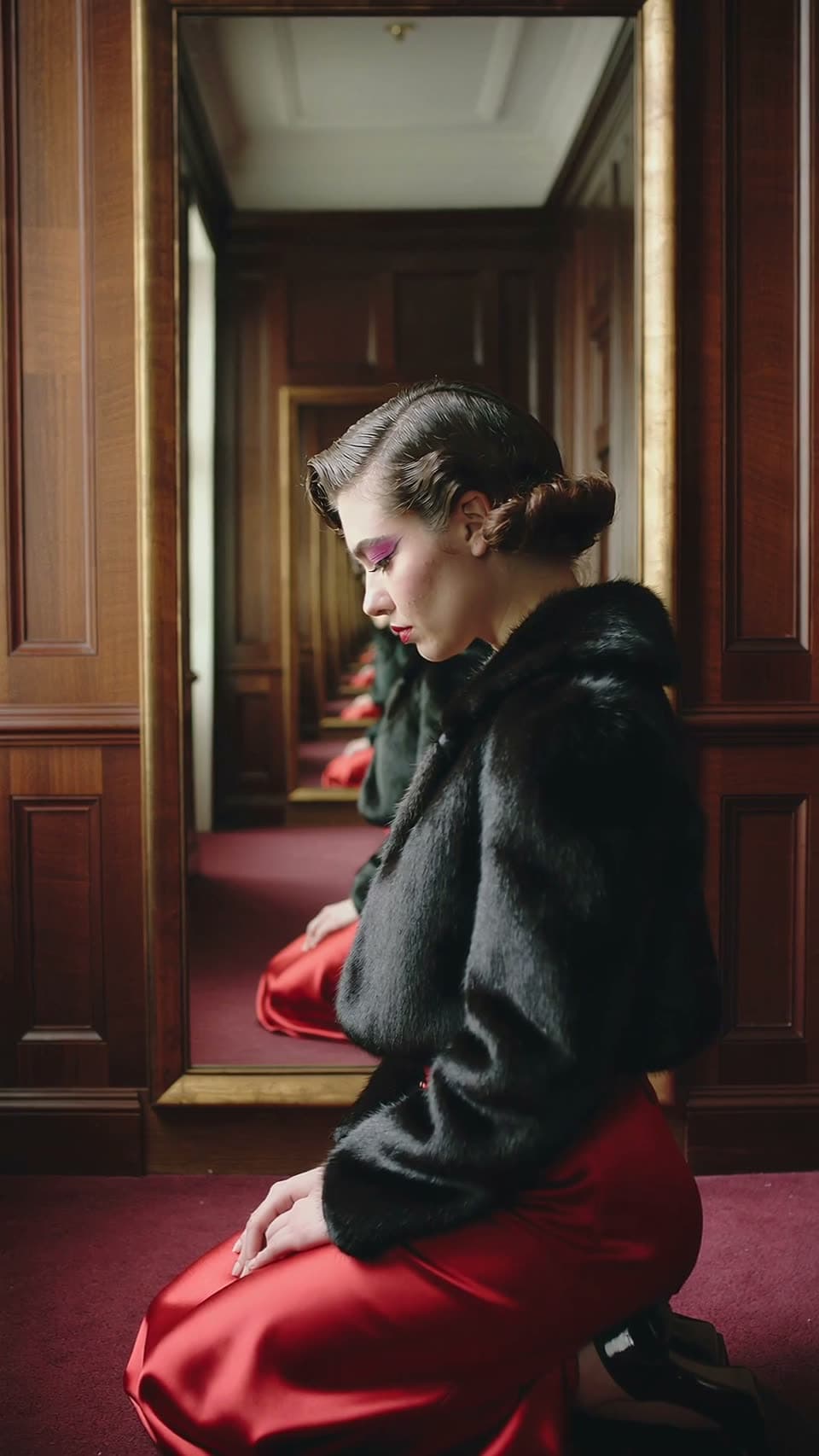
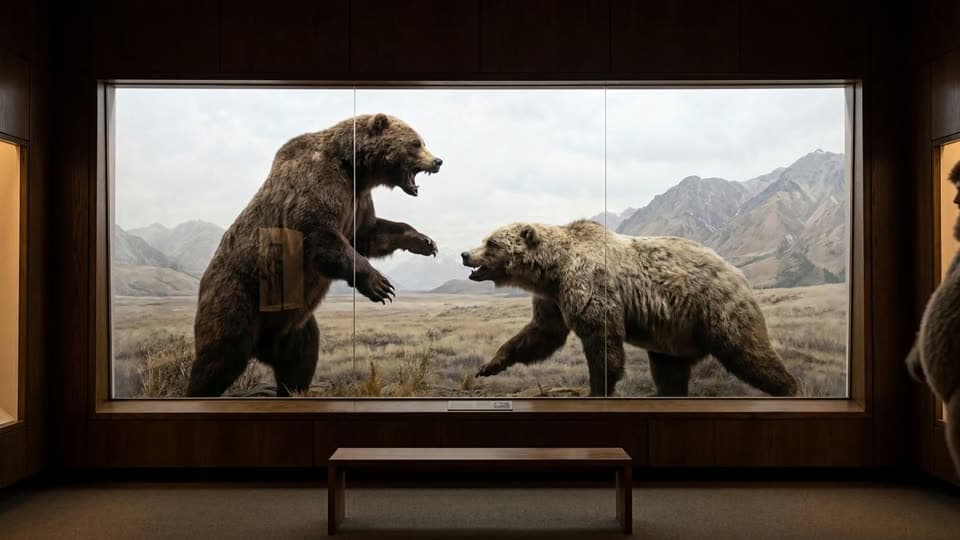
Beside every conversation there is a quiet channel — a moving image we play in the background. They do not depict the sage on the call; they are simply the room the line reaches from.

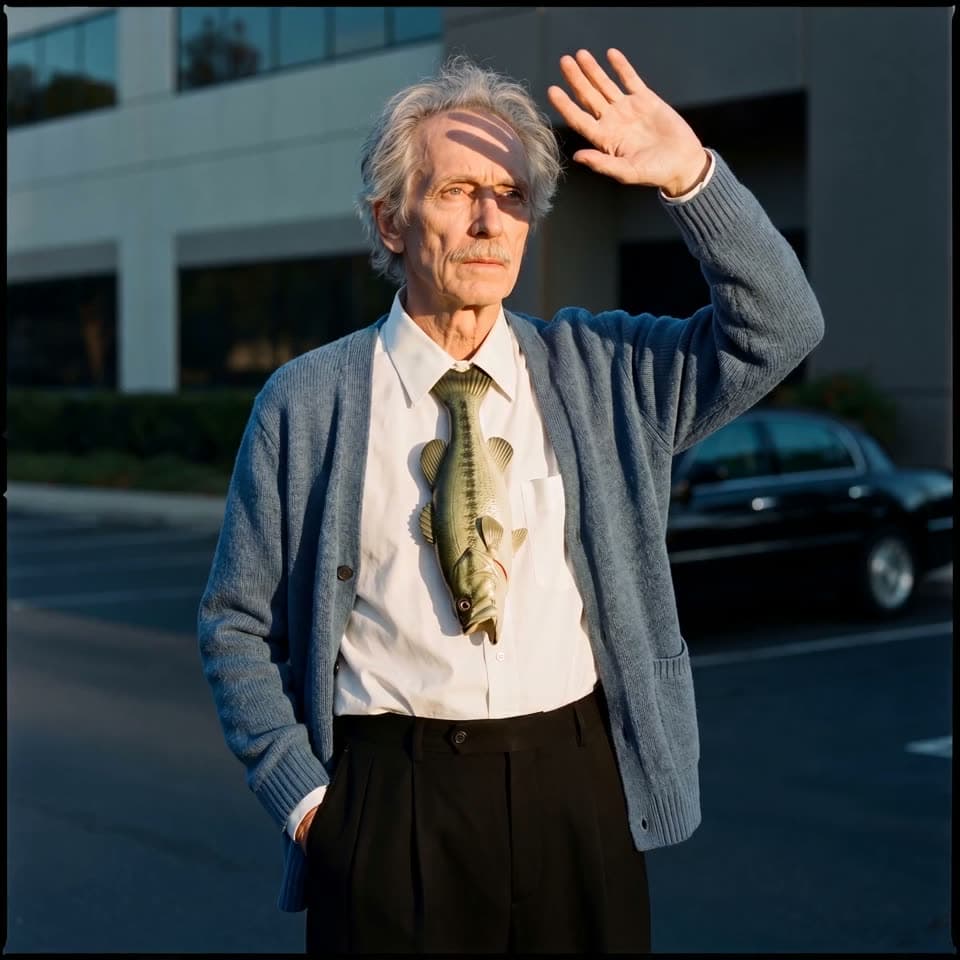
ambient channel still · The Driver
still 0120:00 gmt
ch.0274.0 min

plate 01 · ambient

The Driver

stillness at speed.

ambient channel still · The Last Passenger
still 0221:17 gmt
ch.0417.0 min

plate 02 · ambient

The Last Passenger

after-hours solitude.

ambient channel still · The Mirrored Woman
still 0322:34 gmt
ch.06310.0 min

plate 03 · ambient

The Mirrored Woman

the unmet self.

ambient channel still · The Reluctant Witness
still 0423:51 gmt
ch.01813.0 min

plate 04 · ambient

The Reluctant Witness

absurdity, dignity.

ambient channel still · The Steward
still 0524:08 gmt
ch.05216.0 min

plate 05 · ambient

The Steward

small rooms, kept.

ambient channel still · The Hand on the Receiver
still 0625:25 gmt
ch.0115.0 min

plate 06 · ambient

The Hand on the Receiver

composure under load.

ambient channel still · The Beloved Two
still 0726:42 gmt
ch.0348.0 min

plate 07 · ambient

The Beloved Two

love that ages.

ambient channel still · The Listener at the Desk
still 0827:59 gmt
ch.07311.0 min

plate 08 · ambient

The Listener at the Desk

what the line carries.

ambient channel still · The Bearer
still 0928:16 gmt
ch.04614.0 min

plate 09 · ambient

The Bearer

weight, carried plainly.

broadcasts archived nightly · 02:00 utc · 412 stills in the vault

drag the strip · or scroll past · the whole row parallaxes →

iv.transcripts

Three real exchanges,
released with permission.

The callers consented to share the conversation. The voices on the other end are public-domain figures whose corpus we have trained on in full.

user · 03:14 GMT

I can't get out of bed in the mornings anymore. Everything feels too heavy to start. What do I do?

Marcus Aurelius · 03:14:08 GMT · returning

At dawn, when you find it hard to rise, hold this thought ready: I am rising for the work of a human being. Why then should I be vexed if I am going to do what I exist for?

Were you brought into the world to lie under warm blankets? But that, you will say, is pleasanter. Were you born then for pleasure? Look at any plant — at any sparrow — at the ants and the spiders and the bees, all doing the work of their own nature.

And you — you will not do the work of a man? You will not run to do what your nature requires?

Trained on Meditations V.1, c. 161–180 CE · re-rendered by Shoulders of Giants

v.the credits

Time, by the month.
Hours that wait for you.

A subscription that treats time the way a library treats books — quietly, expectantly, with no penalty for taking your time. Unused hours roll over up to twice your monthly allotment. Cancel any time; transcripts are always yours.

choose your cadence

Inquirer

1 hr / month · $14/hr
$14/ month

first month $11.90 · save 15%

  • Conversation with any voice in the directory
  • Full transcript downloaded after each call
  • Pause and resume across sessions

top-up · $12 / additional hour

begin
most chosen

Confidant

2 hrs / month · $13/hr
$26/ month

first month $22.10 · save 15%

  • Everything in Inquirer
  • Memory between conversations — the voice remembers you

top-up · $10 / additional hour

subscribe

Counsel

4 hrs / month · $12/hr
$48/ month

first month $40.80 · save 15%

  • Everything in Confidant
  • Two figures in one conversationcoming soon
  • Preview access to new voices

top-up · $8 / additional hour

enroll

unused hours roll over · capped at 2× your monthly allotment

students & teachers — 40% off · email us

vi.request access

Stand on a shoulder.
See further.

Cohort xii opens December 12. We admit four hundred new callers each cycle so the voices can hold the conversations properly.

waitlist · cohort xii

no marketing emails. one note when your cohort opens. that's it.